October 05, 2026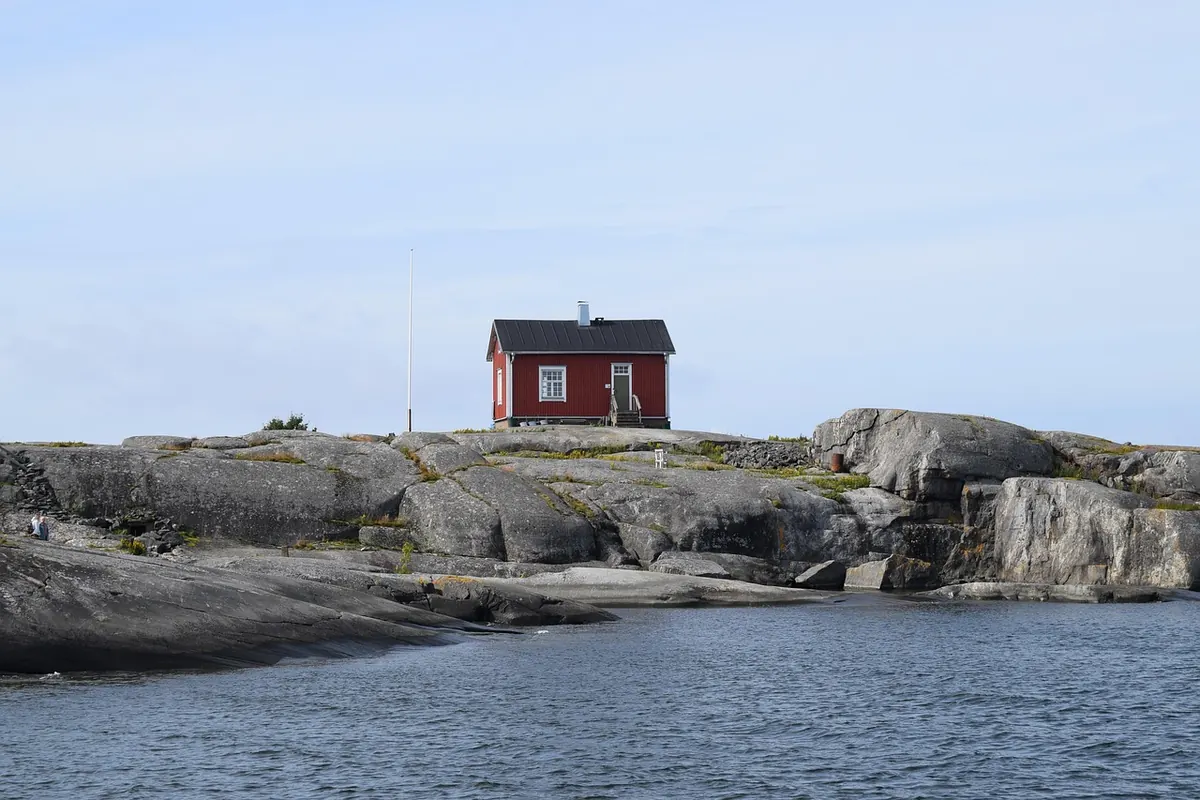
Sunset set the clock. On a nineteenth-century lighthouse station, the keeper's working day was timed not by factory hooters or church bells but by the slow change of light in the west. An hour before dusk he was already climbing the tower stairs with a clean rag, a tin of oil and a pair of scissors for the wick.
What followed — the watches, the chores, the waiting — is easy to romanticise and much harder to imagine. A lighthouse was a machine that had to be fed, cleaned and watched over every single night of the year, and the keeper's life was shaped entirely by that obligation.
Lighting Up: The Day Began at Sunset
The moment of lighting was recorded to the minute. Keepers noted the exact time the lamp was lit, the state of the weather, the direction of the wind and the amount of oil used, then signed the entry. That log book was the station's memory and, in effect, the keeper's defence: if a shipmaster later complained that a light was dim or late, the book settled the matter.
The lamp itself needed coaxing into life. Most lighthouses of the period burned colza, spermaceti or, later in the century, paraffin in an Argand-type burner, with a hollow wick that drew air up through the middle of the flame. The keeper trimmed that wick with scissors until the top was even and the flame burned white rather than smoky, then wiped every pane of the lantern glass, polished the brasswork and cleaned the soot from the chimney above the flame. A smeared pane or a charred wick could cut the range of the light by miles.
The Watches: Four Hours On, Eight Hours Off
At a station with three keepers, the night was usually split into watches of about four hours, with each man taking his turn and the principal keeper making sure the rota was fair. Where only two keepers were posted, the night was divided between them, and the man off watch slept in his clothes, close enough to be roused if anything went wrong. The keeper on watch did not simply sit and look at the sea. He stayed near the lantern, checked the flame, watched for shipping, and listened for the fog signal or the telephone bell if the station had one.
The weight in the tower
A revolving light did not turn by itself. The lens and its frame were driven by clockwork, powered by a heavy weight on a chain or wire that ran down a shaft through the middle of the tower. As the weight descended, the lens rotated; when it reached the bottom, the keeper wound it back up by hand crank. On some apparatus that meant climbing down and winding every two hours, all night long.
Morning: Salt, Soot and a Long List of Chores
At sunrise the light was extinguished and the real work began. By day a lighthouse is a building exposed to salt, damp and wind, and it loses that fight continuously.
- Cleaning the lens and lantern panes with soft cloths and spirit, never anything abrasive.
- Trimming and replacing wicks, filling and cleaning the oil reservoirs, filtering oil.
- Polishing brass and copper, blackleading the stove, sweeping and scrubbing the tower stairs.
- Painting and whitewashing — an annual ritual that swallowed weeks of fine weather.
- Hauling coal, water, provisions and oil up from the landing place.
- Tending the garden, feeding the chickens or goat, catching rain in the cistern for washing.
- Recording weather, temperature and barometer readings in the log.
There were also repairs: a cracked pane, a leaking roof, a hinge of the door that would not shut against the wind. Keepers were expected to be competent carpenters, painters, riggers and stokers, and there was rarely anyone else to call.
Fog, Storm and the Log Book
Fine weather brought visitors and a chance to dry bedding. Fog brought the opposite. In thick fog, the light was useless and a sound signal took over — a bell, a trumpet, a siren or an explosive charge fired at fixed intervals. Someone had to keep that going for as long as the fog lasted, which could be days. Keepers remembered fog watches as the most exhausting duty of all: hour after hour of the same noise, the same damp cold, and no way of knowing when it would end.
Storms produced their own entries in the log: seas breaking over the rock, boats lost from the davits, the tower shaking, windows blown in. The keeper's job was to keep the light burning regardless. Many were dismissed for less.
Families on the Rock: The Isolation Problem
At offshore and rock stations, the keeper did not live alone. He lived with two or three other men, their wives and children, and there was no leaving. Relief came by boat, and boats could not always come. A fortnight's delay was ordinary; a month or more was possible in winter.
Wives worked as unpaid assistants — cleaning, cooking, keeping watch while a husband slept, and sometimes lighting the lamp when illness struck. Children learned to be quiet, useful and self-sufficient, and on the more remote Irish and Scottish stations many saw no town or village for years at a time. A walled garden, a few hens and the ritual of letters carried by the relief boat kept the station from turning entirely inward. Not everyone coped. Keepers who could not bear the company of the same three faces, or the sound of the sea against the rock at two in the morning, did not last long in the service.
Relief Day and the Slow World of Signals
Relief day was the great event of the month or quarter. The boat brought fresh provisions, mail, newspapers, spare parts and, occasionally, a new assistant keeper. Everything came ashore by rope, hand over hand, or by derrick, often through surf. In the days before reliable telegraphy, news arrived slowly and late; a keeper might learn of a death, a war or a change of regulations weeks after the fact.
Authority was distant but constant. District inspectors arrived unannounced, checked the polish of the brass and the neatness of the log, and could fine or dismiss a man on the spot for drunkenness, sleeping on watch or a dirty lantern. Uniforms, discipline and a strict rota kept the stations running — a small, scattered civil service of the sea.
Reading the Evidence Today
Much of this survives in the buildings themselves and in the paperwork the keepers left behind. If you visit a restored lighthouse, or dig into an archive, look for these things:
- The lantern room: examine the lens, the ventilator, the soot-stained metal and the brass. Ask where the burner sat.
- The weight shaft: a narrow channel down the centre of the tower, or a chain well beside the stairs, marks the old clockwork drive.
- The keeper's cottage: thick walls, small windows, a walled garden for windbreaks, and a cistern under the ground for rainwater.
- The log book: held in national and local archives, they are among the most detailed weather records of the nineteenth century.
- The store and oil house: kept separate from the living quarters for good reason.
A lighthouse visit is more rewarding if you go with a question in mind — who carried the oil up these stairs, how many turns of the crank, how long until the boat came back. The answers are usually still there, worn into the stone.
Photo: Jussi777 / Pixabay