September 18, 2026
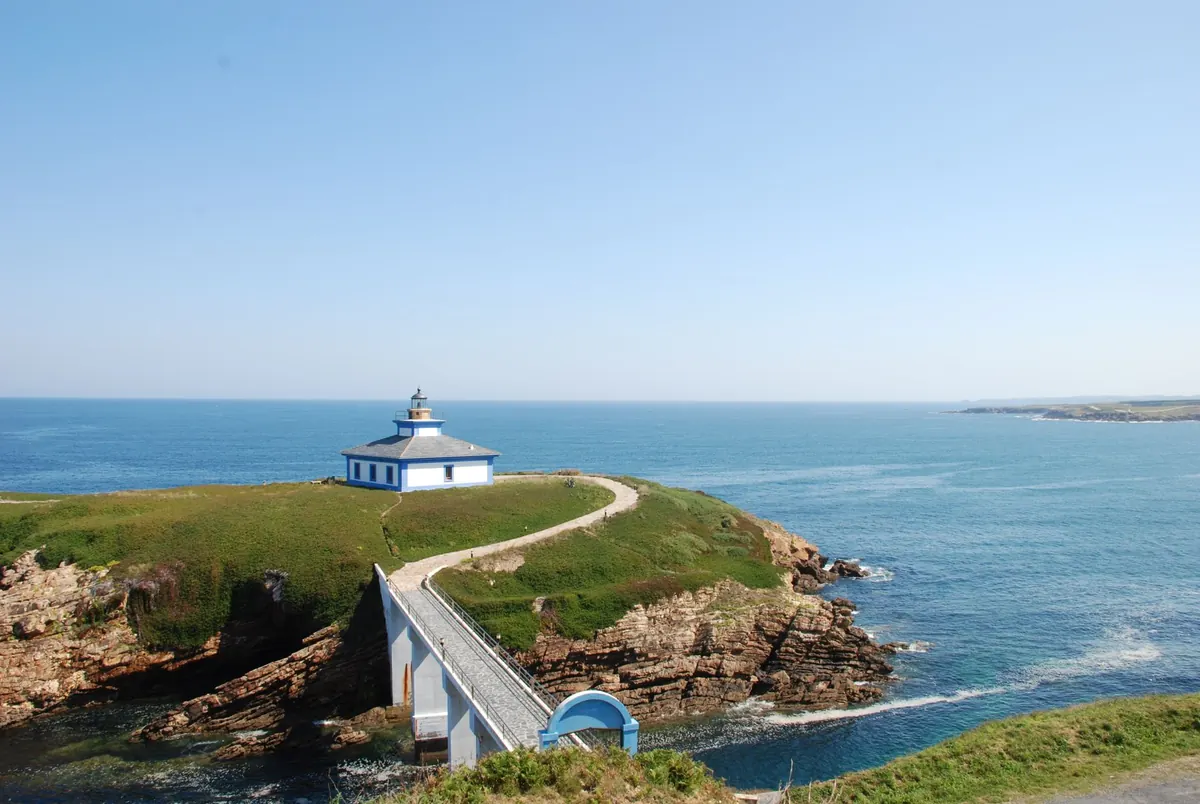
A remote lighthouse rewards the people who plan for it. The approach is usually the best part of the day: a low-tide causeway slick with weed, a cliff path that swings round a headland, a mile of shingle that takes twice as long as it looks on the map. That same awkwardness keeps the crowds away — and turns one small misjudgement into a very long afternoon.
None of the checks below is exotic. They are the ones any sensible coastal walker makes, sharpened for places where the nearest road is an hour behind you and the signal comes and goes with the shape of the land. Nothing here requires specialist training. It requires an hour of homework the night before, and the discipline to stick to what you decided while you were still warm and dry.
Read the Tide Table Before Anything Else
Start with the nearest standard port and apply the local correction, because a causeway two miles round the headland can differ by a good half hour from the harbour you looked up. Sometimes it differs by more. A headland that juts into a wide estuary, a shallow bay that fills and empties faster than the open sea, an island where the tide turns at the back of the beach before it turns at the front — all of these will punish you for using the wrong column.
Then ask the question that actually matters: which tide am I working with? Some routes need low water — a causeway, a spit, a set of stepping stones, a beach that only exists for three hours either side of the bottom. Others need high water, or at least a rising tide, because the path runs along a shore that is impassable mud when it drains. Getting this backwards is the classic lighthouse error.
Springs, Neaps and the Size of Your Window
A spring tide gives you a longer period of low water and a shorter, more dramatic crossing. A neap tide gives a smaller range, but the window can be deceptively tight; the water may never fully clear the causeway at all, and what looked like a metre of dry shingle becomes ankle-deep weed with a current running across it. Check the tidal range, not just the times.
The rule of twelfths is worth carrying in your head: in a six-hour tide, roughly one-twelfth of the range moves in the first hour, two in the second, three in the third, three in the fourth, two in the fifth and one in the sixth. It is an approximation, but it tells you something genuinely useful — the middle of the tide moves fastest, and the water comes in faster than it went out. The two hours around low water are your friends. The hour after that is not.
Finally, find your escape route. If the worst happens and the causeway closes with you on the wrong side, where do you go? A higher path, a bothy, a beach above the tide line, a headland you can sit out the six hours on. If the answer is "nowhere", then you have no margin for error, and the whole plan needs to be more conservative.
Watch the Weather Where It Will Hit You
An inland forecast is a rough guide and a poor decision-maker. Coastal weather is governed by things the nearest town never notices: fetch, swell, sea state, onshore wind, and fog that forms or clears within a mile of the water.
- Wind direction matters more than speed. A brisk wind off the land is often pleasant. The same speed straight onshore turns a low path into a wet one and a cliff edge into a place you do not want to be standing upright.
- Swell arrives from somewhere else. A calm, bright day can still have a heavy sea running from a storm two days old and a thousand miles away. Big swell plus a spring high tide is the combination that kills people at the base of cliffs.
- Fog is a coastal speciality. If the forecast mentions sea fog or mist, plan as though navigation will be done on the compass, not on the view.
- Check the trend, not the snapshot. What matters is whether conditions are improving or getting worse while you are out there. A falling barometer on an exposed headland is a clear instruction.
Tell Someone the Plan in Detail
"Walking to the lighthouse" is not a plan. Give someone the car park or the start point, the route you intend to take, what time you expect to be back, and what they should do if you are not back within a reasonable margin — usually an hour for a short walk, two for anything committing. Leave a photo of the route or the guidebook page open on the kitchen table.
Send this before you go, not when you need it. Signal at remote lighthouses is a lottery: fine on the clifftop, gone in the cove, gone again behind the ridge. Assume you will not be able to call for help and behave accordingly.
If nobody knows where you are, you are not on a walk — you are on an unplanned search and rescue exercise, and someone else is paying for it.
Kit That Earns Its Place in the Pack
You do not need expedition kit for a lighthouse. You do need to be able to survive an unplanned extra three hours in wind and rain, and to walk out in the dark with an ankle that has just stopped working properly.
- Boots with proper grip — wet rock, kelp and algae-covered concrete are all worse than they look
- Waterproof jacket and trousers, packed even for a settled forecast
- Headtorch, plus spare batteries or a second light
- Fully charged phone, offline maps downloaded, and a power bank
- Paper map and compass, and the ability to use both
- Water and food for one extra meal beyond what you planned
- Blister plasters, tape, and a basic ankle wrap
- Whistle and an emergency foil blanket
- Trekking poles if there is shingle, scree or a steep descent on the route
- Sun cream, hat and sunglasses — glare off the sea is relentless
The Things People Forget
A printed tide table, because a screenshot in a dead phone is useless. Cash for the honesty box or the harbour car park. A dry bag for the camera. One more warm layer than the forecast suggests, because a headland in a sea breeze is about five degrees colder than the car park. And in summer, in the west and north, midge repellent — the walk back through a sheltered valley at dusk is not the place to discover you left it at home.
The Last Mile Is the Hardest
Lighthouse routes are rarely hard in terms of distance. They are hard in terms of speed. A mile of loose shingle can take fifty minutes. A boulder beach takes longer. A cliff path with rock steps, three stiles, two gates and a section of erosion-widened singletrack will double your map time before you have stopped to look at anything.
So plan with the slowest person's pace and the roughest terrain, then add a margin. If the guidebook says two hours, budget three. If the route includes anything described as "steep and loose" or "care required", assume you will spend time on it rather than striding through it.
Signals, Property and the Lighthouse Itself
Most lighthouses today are automated, and many are private residences, holiday lets, or cared for by a trust. The tower being a landmark does not make it public property. Do not climb walls or fences, do not walk into the compound because the gate happens to be open, do not touch equipment, and do not treat a working fog signal as a curiosity — it can sound with no warning and at a volume that genuinely hurts.
Keep dogs under control. Cliff edges crumble, and seabird colonies nest on ledges where a dog will happily go and you cannot follow. Nesting season brings legal protections as well as angry birds. Above all, remember that the last few metres to the lighthouse are often the most exposed part of the whole walk: a crumbling path, a wet slab, a gust that arrives from nowhere.
Set a Turnaround Time and Honour It
Decide, in the car park, the time at which you turn round regardless of how close you are. Then turn round. The most common cause of coastal incidents is not inexperience; it is a group of experienced people who are nearly there and carry on because turning back feels like waste. The mileage is already banked. Walking out in darkness with a tired group on the roughest terrain of the day is a far worse deal than leaving the last half-mile unvisited.
Five-Minute Check Before You Leave the Car
- Tide times checked at the correct port, corrections applied, window worked out, and the escape route identified.
- Weather read for the coast, including swell and any fog risk, and the trend understood.
- Route and return time sent to someone who will notice if you are missing.
- Pack checked: waterproofs, torch, water, extra food, first aid, map and compass.
- Turnaround time agreed out loud with everyone in the group.
And Then Enjoy It
All of this is the cost of admission, not the point of the trip. The point is standing at the base of a tower that has been taking the weather for a century and a half, watching the light come round, and knowing that the causeway behind you has another good hour in it. Do the reading, carry the torch, tell someone where you are going — and the lighthouse will give you the day you came for, rather than the one you will be talking about for a very different reason.